
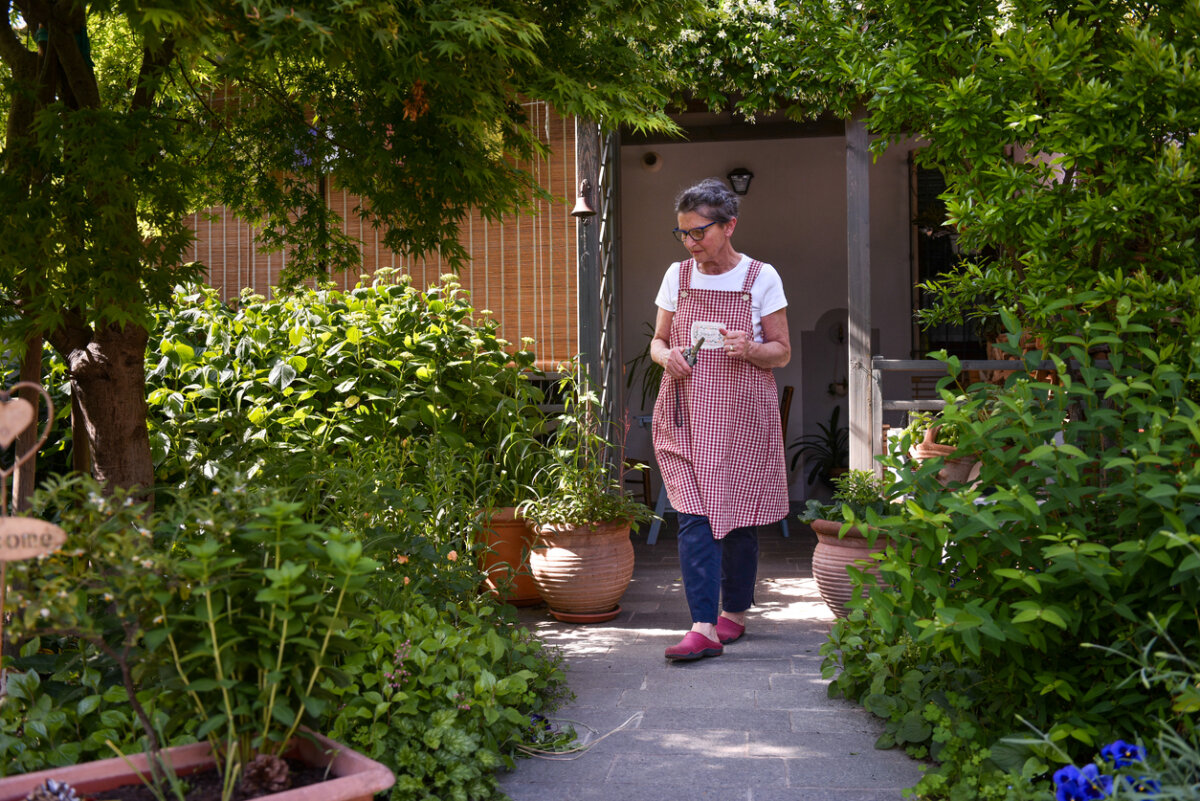
Early spring is a great time to consider changes to your garden. Garden editing is about refining, reshaping and sometimes letting go.
Early spring is the perfect time to take a fresh look at your garden. Before everything bursts into growth, grab a cup of coffee and take a slow walk around your yard. Really see what is working, and what isn’t. Just like editing a story, garden editing is about refining, reshaping and sometimes letting go.
Consider your lawn
As plants mature, your landscape naturally changes. Trees get taller, casting new shade on areas that were once full of sunlight. If your lawn now struggles under deep shade, don’t fight it. Lawns won’t thrive without plenty of light. Instead, consider removing shaded grass and replacing it with plants that flourish in the shade, such as ferns, hostas or hellebores. You’ll gain beauty and visual interest, and you’ll lose frustration. Ask your local nursery for advice, or check out the lists of plants for shade at Great Plant Picks.
While you’re at it, ask yourself: do you have too much lawn? Lawns demand time and resources: weekly mowing, frequent watering, fertilizing and weeding. By reducing your turf area, you can cut your workload and create space for something new. Perhaps you could add a perennial border, a vegetable garden, a patio or gravel sitting area, or a small pollinator garden. Just think: you could have less maintenance and more enjoyment.
Think about scale
Another part of garden editing involves scale. Those nursery tags that list a plant’s mature height and width? Believe them, and sometimes even add a bit. After a decade or more, shrubs and perennials often outgrow their intended spots. A crowded or overgrown area may benefit from removing or relocating larger plants. Think of it as rearranging your garden’s composition. Move a plant to where it has room to grow and thrive, and fill empty spots with varieties that better fit their space.
Adapt your garden as life changes
Gardens grow and shift along with you. As your family’s needs change, the spaces in your yard may no longer serve the same purpose. Perhaps the children’s play area now sits mostly unused. How could you reimagine that area? Consider transforming it into an outdoor kitchen, dining area or quiet corner for reading and relaxation.
As you grow older, you may look for ways to reduce physical strain in the garden. You could add raised beds, grow plants in containers and replace high-maintenance plants with ones that require less care. Shrubs generally require less attention than annuals and perennials, and focusing your energy on the high-visibility areas closest to the house can help keep upkeep manageable.
Finally, don’t overlook the emotional side of garden editing. Your tastes evolve, and what you loved a decade ago might not suit your lifestyle or taste today. Give yourself permission to refresh the space. You might add new favorites, shift your color palette or create a little more breathing room. Your garden should grow with you.
Would you like help editing your garden? Our landscape designers are ready to provide ideas, advice and plans for your new space.

Hello, I had some mole hills in my back lawn, so I need to get those fixed. Is that something you can do? In addition, I would like my garden mulched. You did my back garden two years ago and I would like the same area and would also like the front area done too. It is alot smaller, but you would need to come out and do and probably measure. Thank you!
Pamela, thanks for your note. We would be happy to help! We will follow up with you soon.