Oct 11, 2016 | Lawn Care, Video
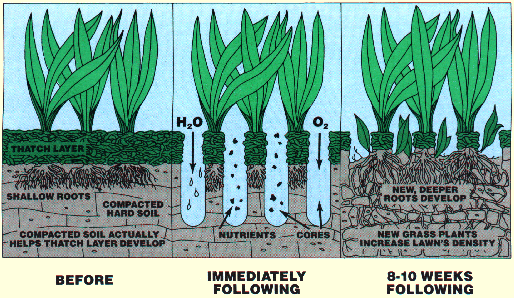
Annual aeration and overseeding are important to keep your lawn green and healthy. We are now scheduling this service. Call us if you would like us to aerate and overseed your lawn. Aeration Over time your soil naturally becomes compacted in the upper 1 to 1-1/2...
Oct 10, 2016 | Garden Care, Tree Care
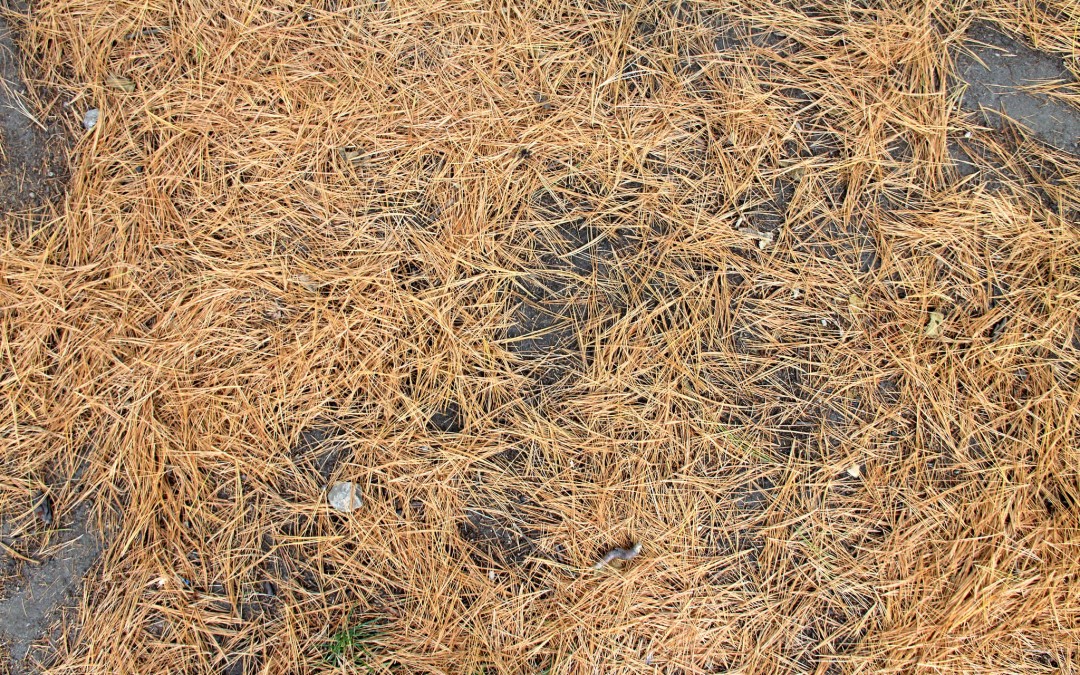
We are rerunning a post from last year about evergreen needle drop because this is something we hear about every year from clients. Sometimes clients ask our staff, “What’s wrong with my cedar (or pine or fir)?! It’s dropping its needles!” Most frequently, the...
Oct 6, 2016 | Lawn Care, Pest Control
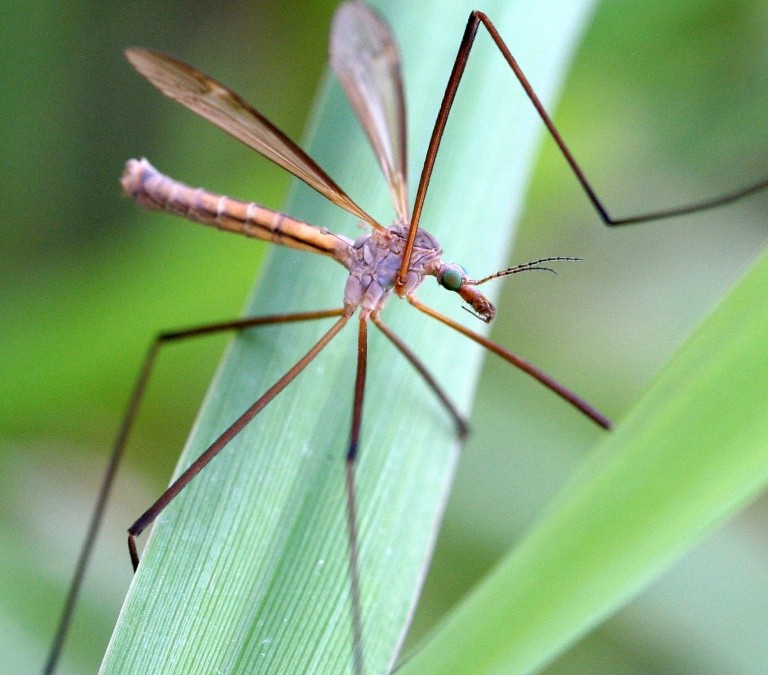
Adult crane flies emerge from the soil beneath lawns and other grassy areas in late summer and fall. They have very long legs and look like large mosquitoes. They may drive you crazy, but they are harmless. They don’t bite or sting. Contrary to what chemical...
Sep 27, 2016 | Garden Care, Lawn Care, Video
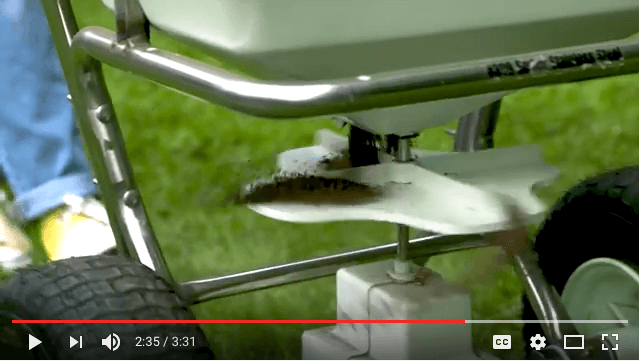
Fall is a great time to apply lime to your lawn. Most Northwest soils have acidic soil (low pH). Adding lime will raise the soil’s pH, which helps your lawn and other plants absorb nutrients and grow better. This video tells you how to determine the amount of...
Sep 20, 2016 | Disease Control, Eco-friendly Gardening, Garden Care, Video
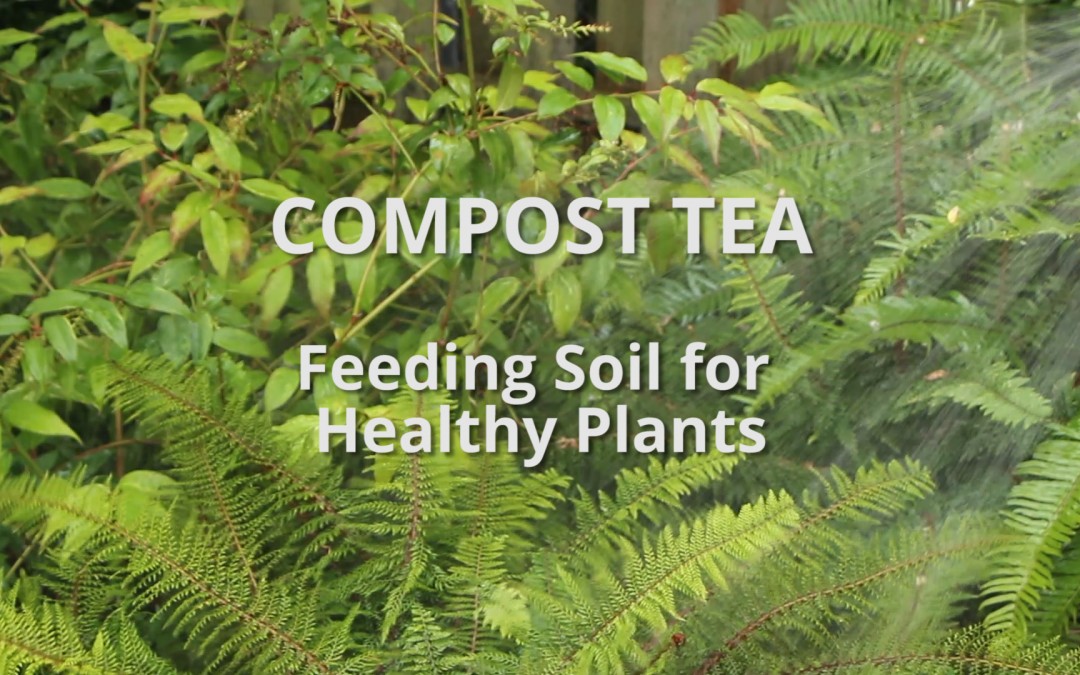
In Harmony has been using and brewing compost tea for well over a decade. Our state-of-the-art brewers allows us to use active live cultures of compost tea on our clients’ trees and shrubs. Compost tea has shown great benefits for our clients, including...

Sep 13, 2016 | Community
When we started In Harmony 22 years ago, one of our main goals was to help reconnect human beings to the planet. We wanted to move beyond “better living through chemicals” and help people understand how important Mother Nature’s wellbeing is and how her health is...
Sep 1, 2016 | Garden Care, Nature
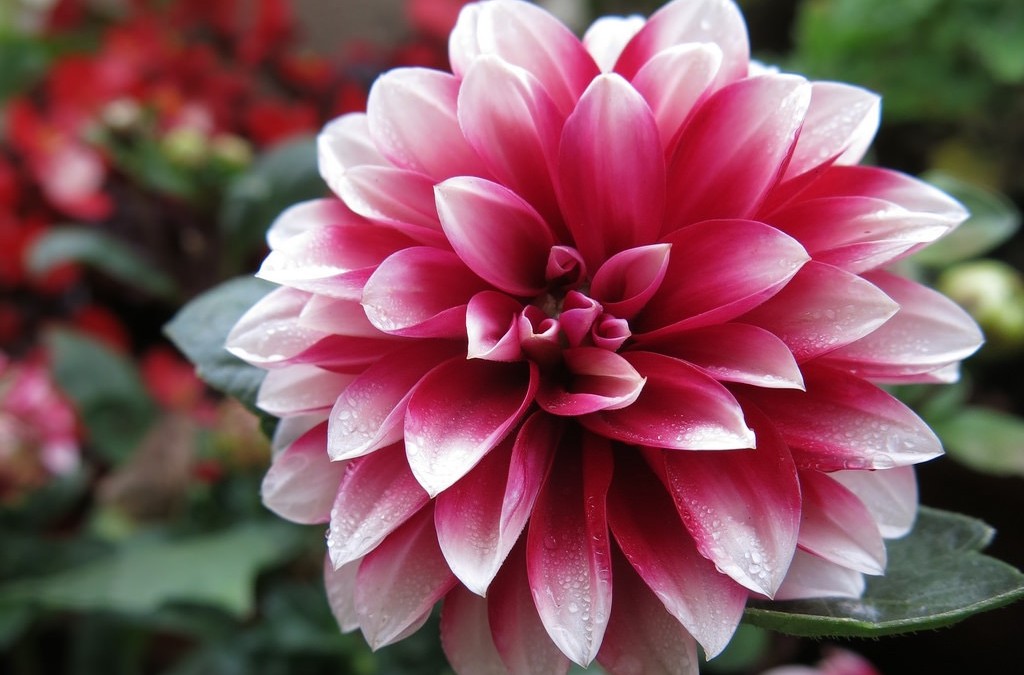
It’s the end of summer. Time to just relax and enjoy your garden. Here are some photos and quotes to remind you of what gardens bring to our lives. Share this...
Aug 25, 2016 | Disease Control, Garden Care, Recommended Plants
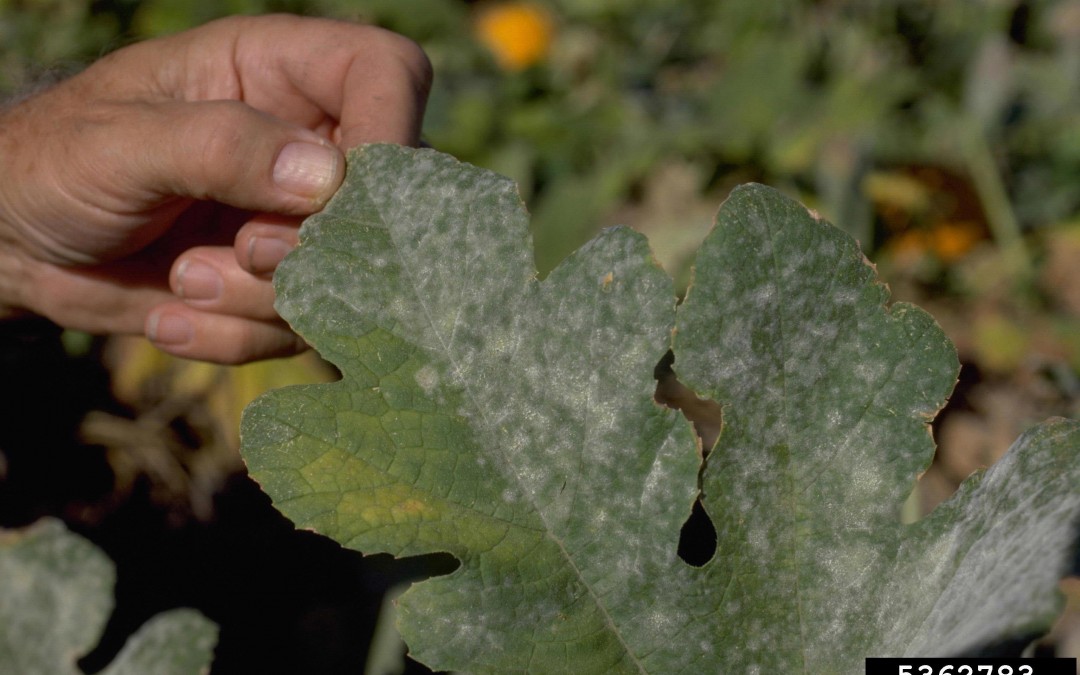
Late summer in western Washington provides ideal conditions for powdery mildew. Powdery mildew is common on a wide range of plants, including annuals, perennials, food crops and ornamental shrubs. To help you manage it, we are updating a post on powdery mildew from...
Aug 16, 2016 | Garden Care, Pest Control, Recommended Plants
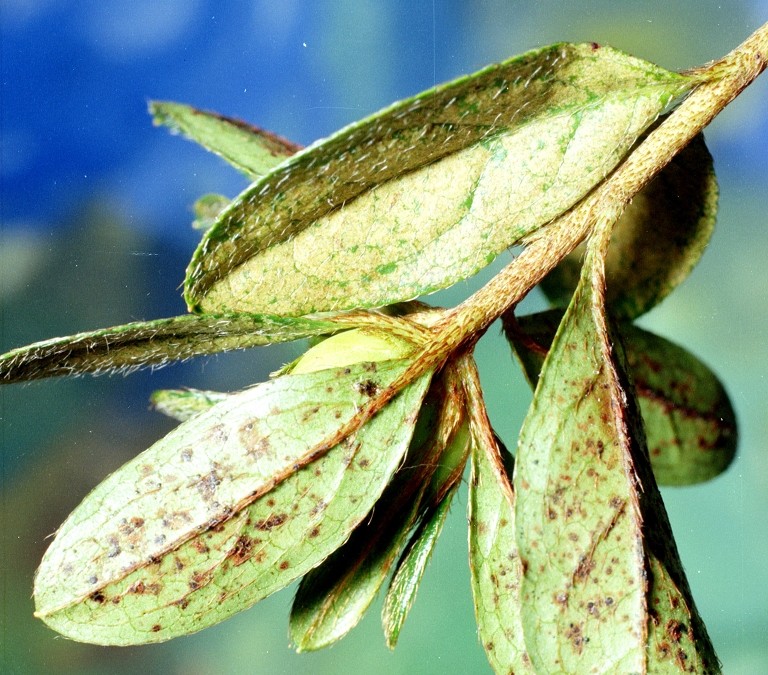
Plants that are drought stressed are more susceptible to insect pests and diseases. As we discussed in last week’s post about drought stress in trees, stressed plants often emit distress signals that many damaging insects pick up on. We are seeing signs of lace...
Aug 9, 2016 | Garden Care, Pest Control, Tree Care, Watering
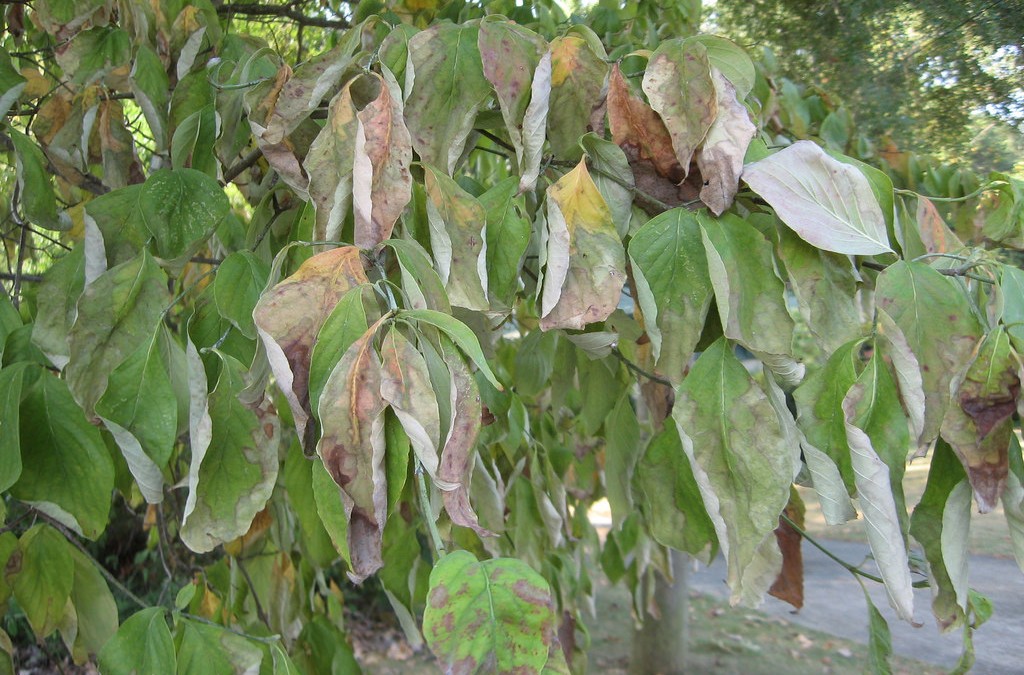
Our mild climate allows us to grow many different types of plants. But they won’t thrive unless they get the moisture that they need to survive. Water is essential for the health of all plants. Sometimes we can be lulled into thinking that the occasional rain that we...
Aug 2, 2016 | Recommended Plants
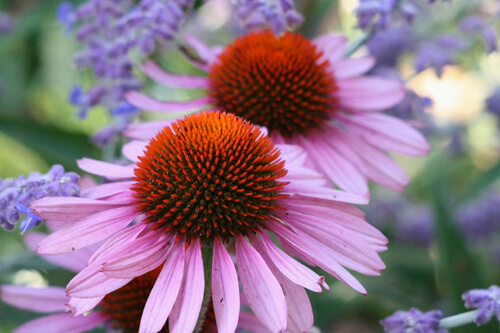
Many gardens look spent and tired in August. The early perennials have bloomed and faded, and many annuals have died back. But late summer and fall can be a great time for vibrant, colorful flowers. Here are some ideas for flowers that will bloom from now into fall....
Jul 26, 2016 | Garden Care, Pest Control
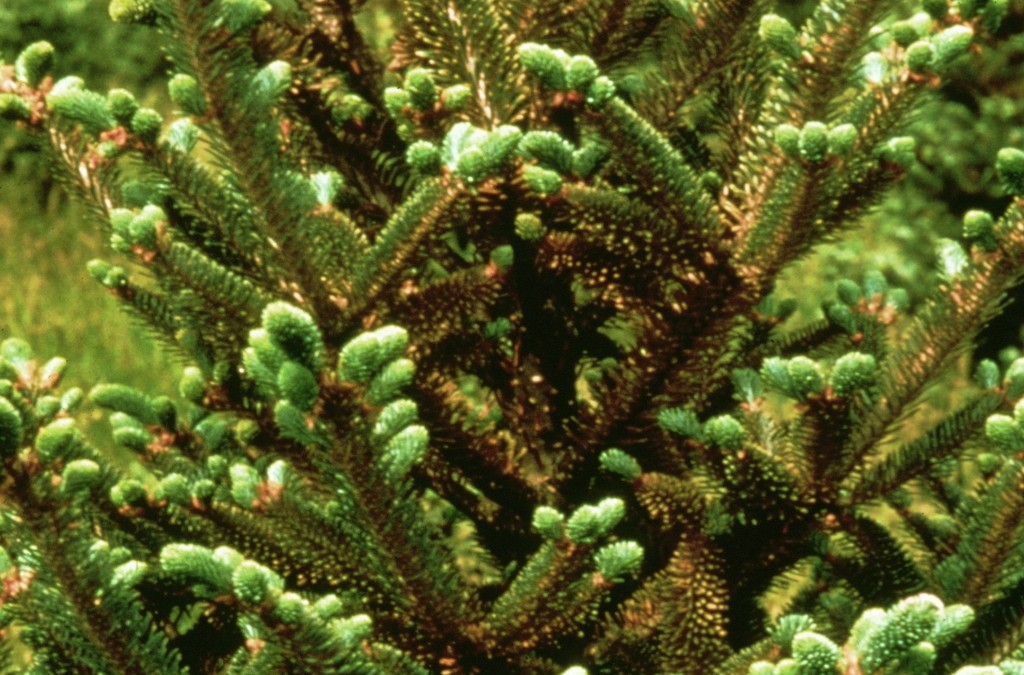
Have you noticed damage on some of your plants in this hot, dry weather? It could be spider mites. Mites are common pests in landscapes and gardens. Spider mites damage plants by sucking juice from the underside of leaves. Unfortunately, they are often not...
Jul 22, 2016 | Eco-friendly Gardening, Lawn Care
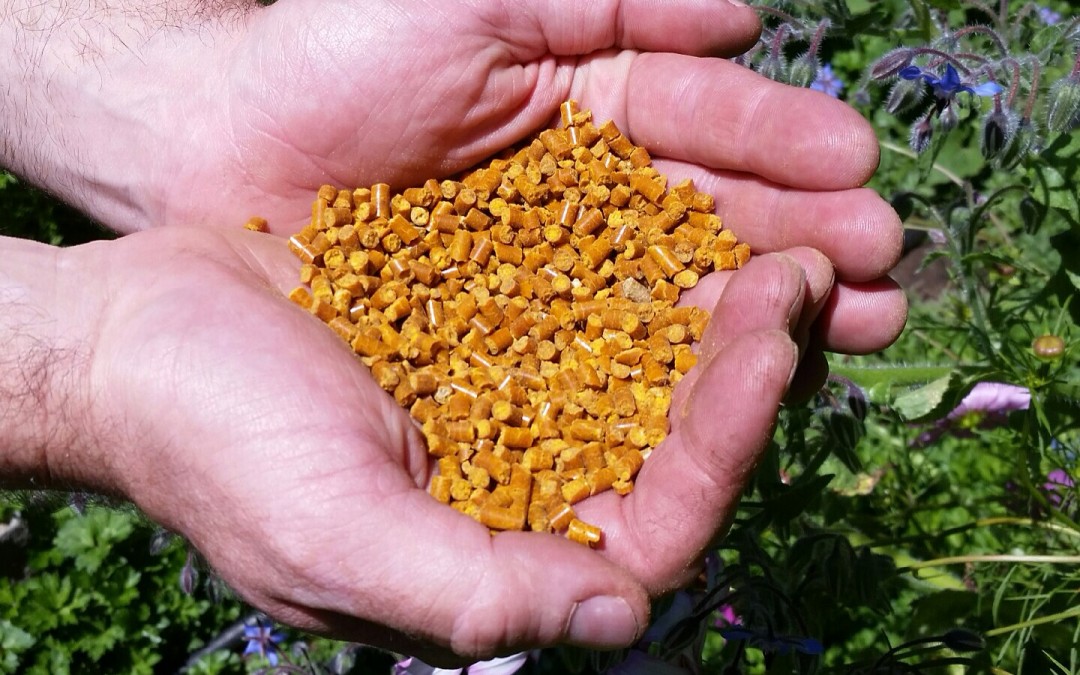
You hear a lot these days about gluten and how people are shying away from gluten in diets. But did you know that one of the best products to put on your lawn is corn gluten? Corn gluten is an all-natural fertilizer made from a by-product of manufacturing corn starch....
Jul 14, 2016 | Eco-friendly Gardening, Garden Care, Tree Care
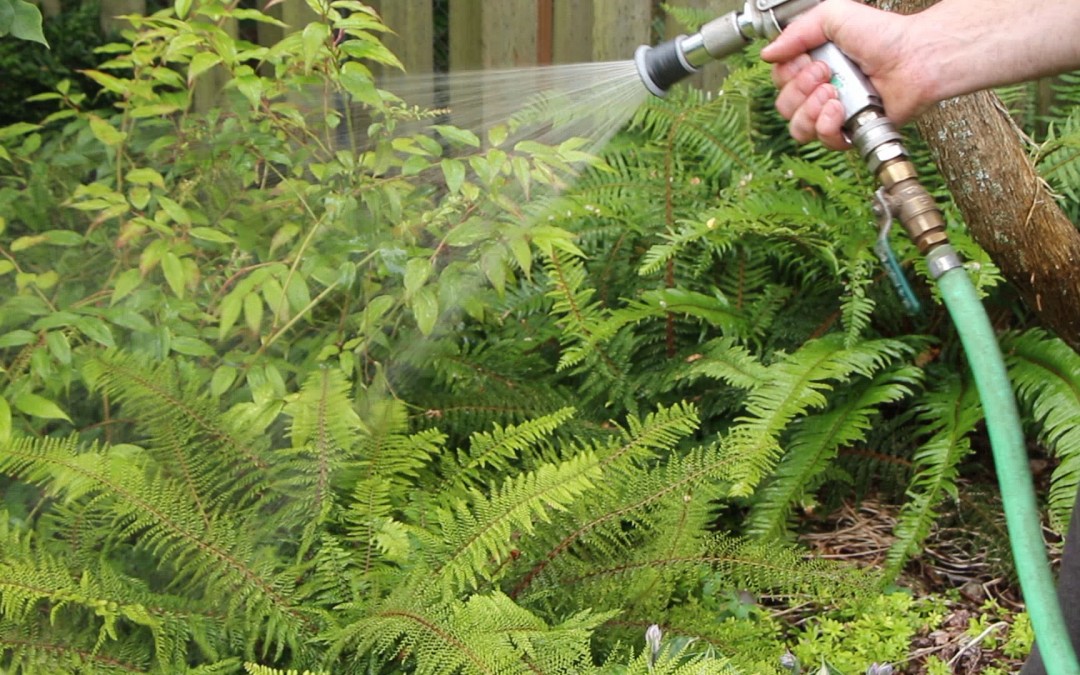
We love sea kelp. Sea kelp has been found to improve growth and color of plants and to enhance flowering in some species of plants. Sea kelp benefits plants because it: Contains trace elements that are deficient in most garden soils\ Supplies potassium, an essential...
Jul 7, 2016 | Garden Care, Tree Care
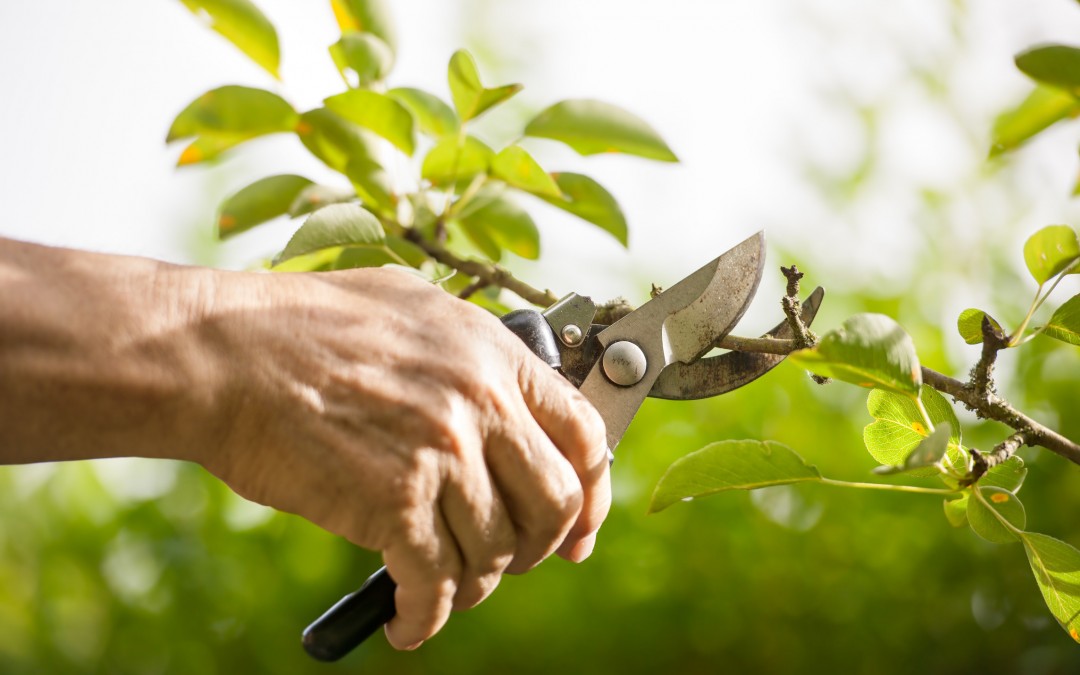
Summer is a great time to prune your trees and shrubs. The plants have gone through their big spring push. They are preparing for the summer heat and producing buds for next year’s spring growth. This spring has been as close to perfect growing conditions as we...