Blog
7 tips to build soil health
Our approach at In Harmony focuses on building healthy soil, which is vital for plant health. Healthy plants lead to a landscape that is sustainable and easier to maintain. A recent article in Fine Gardening has great tips for how to “Put the Life Back into Your...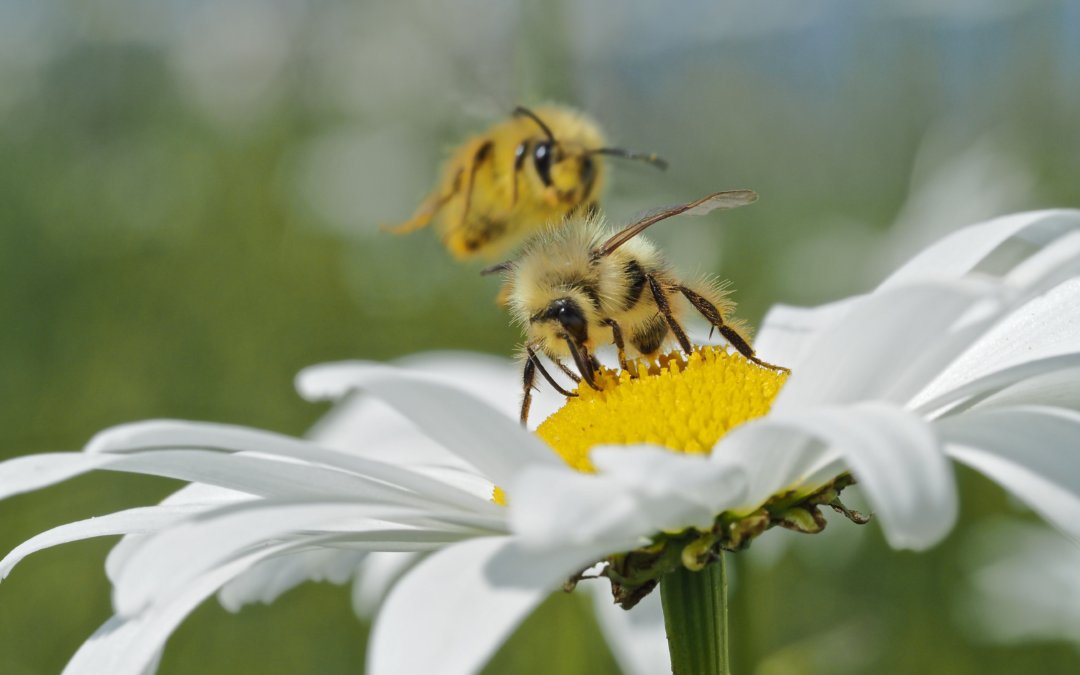
Celebrate National Pollinator Week by growing a Bee Friendly Lawn
June 20-26 is National Pollinator Week. The US Senate unanimously approved designating National Pollinator Week 14 years ago. Pollinator Week has grown into an international celebration. It promotes the valuable ecosystem services provided by bees, birds, butterflies,...
A Bee Friendly Lawn may be smaller
Consider downsizing your lawn and replacing it with a patio, trees and shrubs or a vegetable garden. Our native bees will thank you.
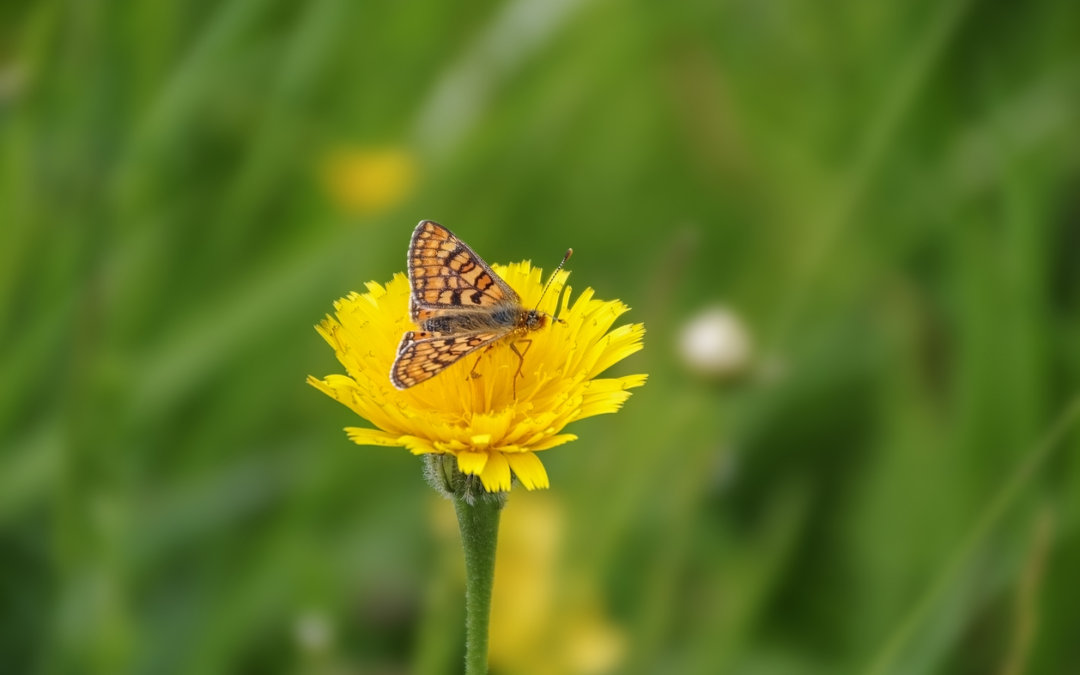
Flowering plants help make a Bee Friendly Lawn
Help save native bees by growing a bee friendly lawn. It’s as simple as understanding the benefits of natural growing weeds, like clovers and dandelions, to adding flowering plants to your lawn that attract bees and other pollinators.
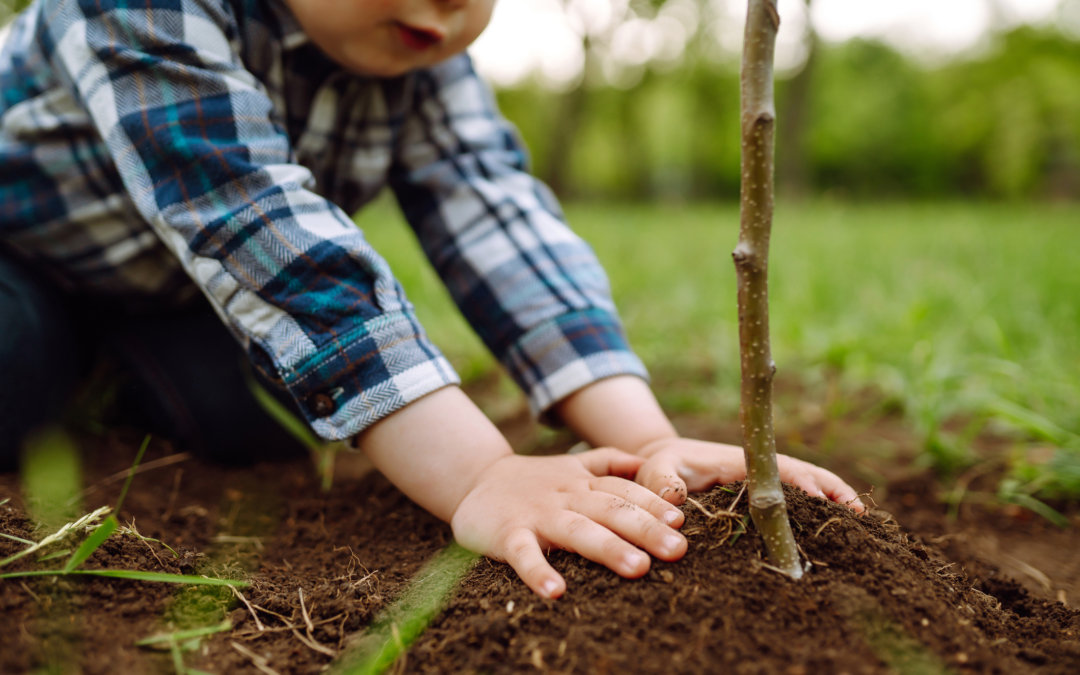
Plant a tree for Earth Day
Earth Day is April 22. Since 1970 this day has become an annual reminder that we should be good stewards of the earth. There are many ways we can help keep the earth healthy. Plant a garden and keep it green. Reduce or eliminate the use of chemicals such as...
How to mow for a Bee Friendly Lawn
Now that spring is here and your lawn is growing, what is the best way to mow to keep it green and healthy? A green and healthy lawn is a Bee Friendly Lawn. A healthy lawn will help protect bees. It will have fewer problems with weeds, diseases and moss, so you will...
This Earth Month, try regenerative gardening
It’s Earth Month. Would you like to do something good for your landscape, yourself and the planet? Try regenerative gardening. Regenerative gardening and farming practices focus on putting nutrients back into the soil. These practices build soil health. They...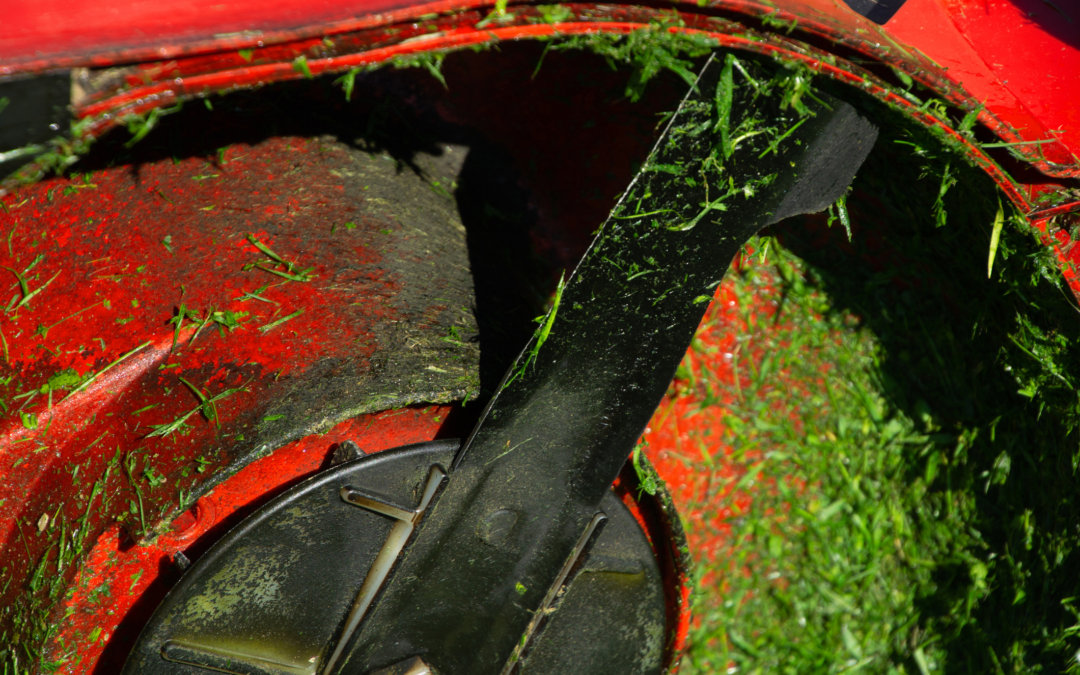
It’s time to clean and sharpen your mower blades
It’s spring, which means it’s time to get ready for the lawn mowing season. This year In Harmony is launching Bee Friendly Lawn. Join us in helping save our native bees by keeping a healthy lawn. If you keep your lawn healthy, you will have fewer problems...
Grow a Bee Friendly Lawn and help our native bees!
In Harmony is calling on our natural lawn care clients to join us in helping to save our native bees. We are calling this new program Bee Friendly Lawn. More than half the native bee species in North America are in decline. One in four species is at risk of...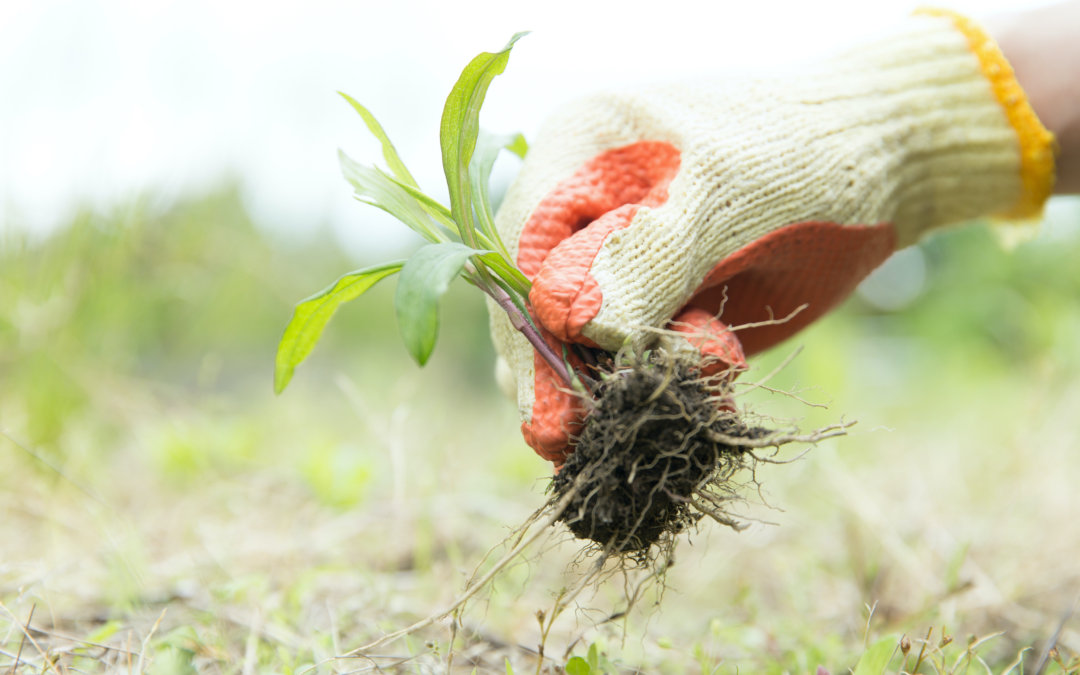
Help bees and other pollinators this winter
In Harmony uses natural methods to support pollinators in our clients’ landscapes. For example, we favor landscape designs that include plants that attract pollinators, and our natural lawn, tree and shrub care services help landscapes stay healthy so our...
Resolutions for your garden in the new year
It’s that time again when we make our resolutions for the new year. It’s probably a good bet that eating healthier and getting more exercise are at the top of your list. The good news is, gardening can help you achieve both of those goals, along with others like...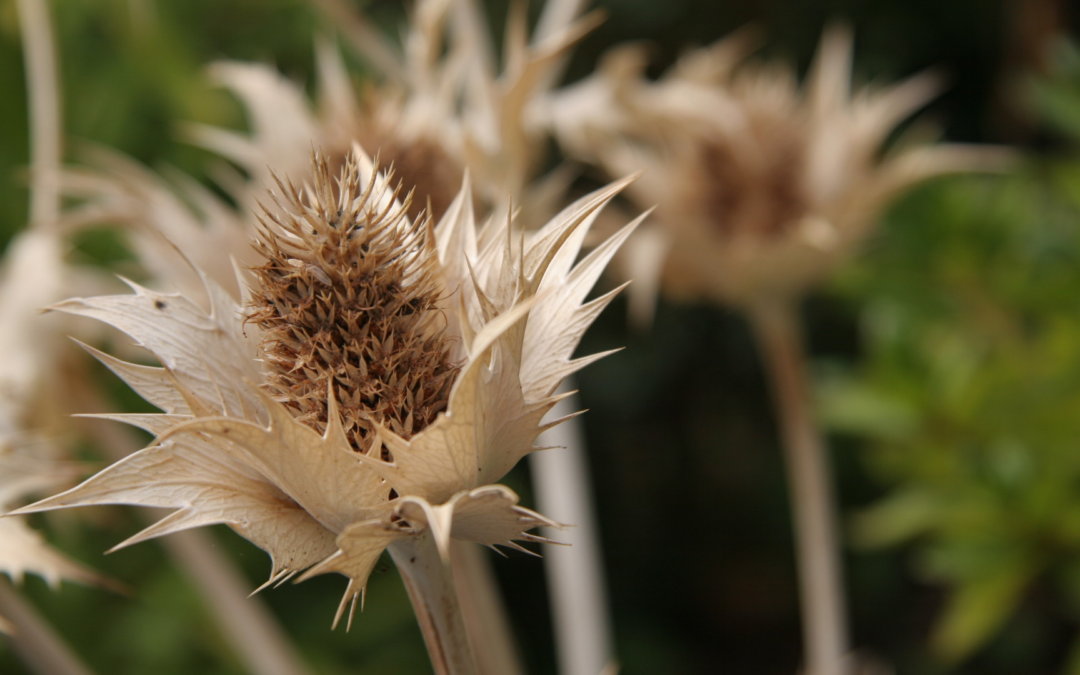
Do’s and don’ts for fall garden cleanup
Cleaning up your landscape in the fall will help keep it healthy and reduce maintenance tasks next year. But some fall cleanup can be unnecessary or even counterproductive. Here are some tips and what to do—and what not to do. Fall garden cleanup: do this Do rake...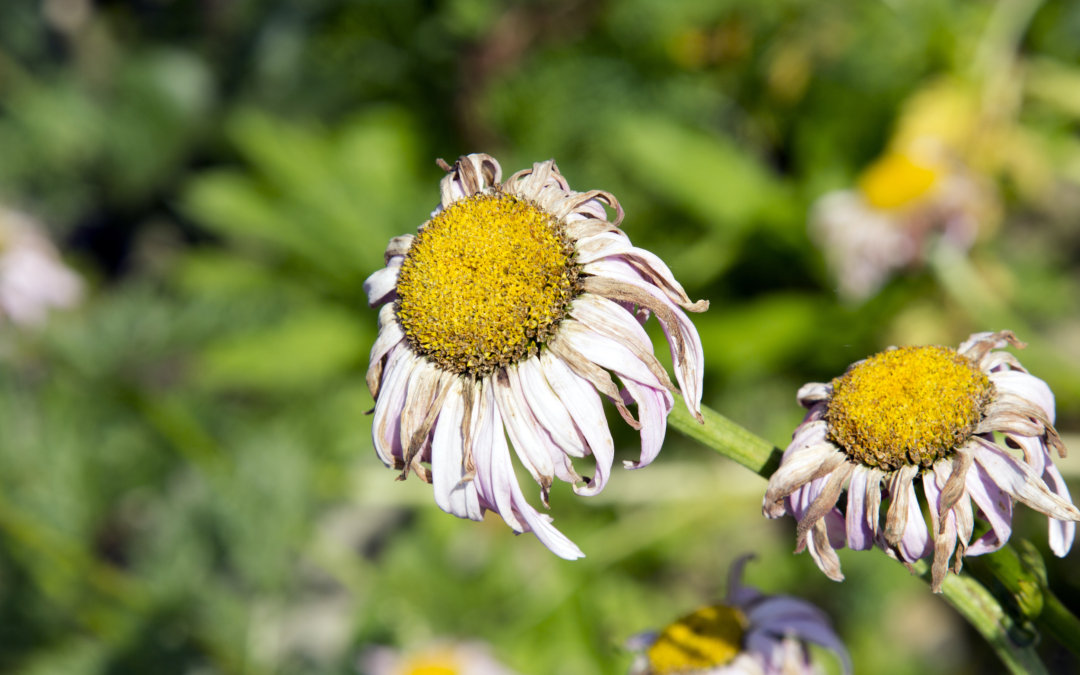
Gardening and climate change
The mind-boggling heat over the last few days has many people thinking hard about climate change. Here is a headline from last Friday’s Seattle Times: “‘Jaw-dropping’ forecast is warning sign of climate change’s future impact in Washington,...