Blog
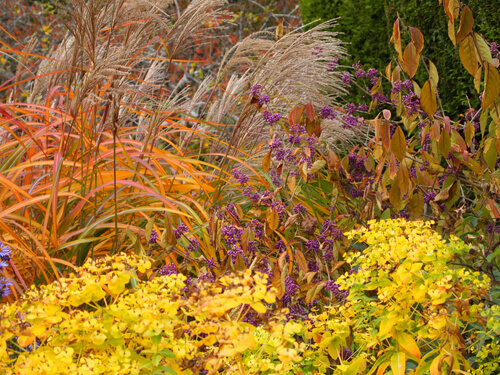
Why plant or transplant in fall? Several great reasons
Now that cooler weather has moved in, it’s a great time to think about adding new trees, shrubs and perennials to your landscape. Where do you have bare spaces? Where would you like to add more color or seasonal interest? Fall is also a good time to move plants...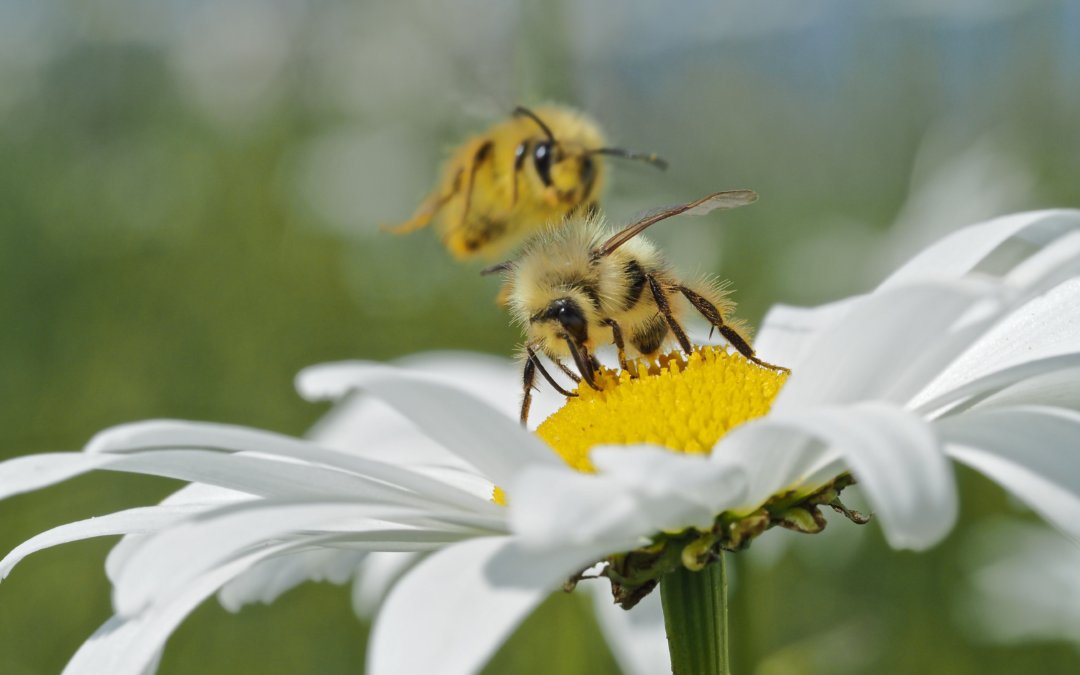
Celebrate National Pollinator Week by growing a Bee Friendly Lawn
June 20-26 is National Pollinator Week. The US Senate unanimously approved designating National Pollinator Week 14 years ago. Pollinator Week has grown into an international celebration. It promotes the valuable ecosystem services provided by bees, birds, butterflies,...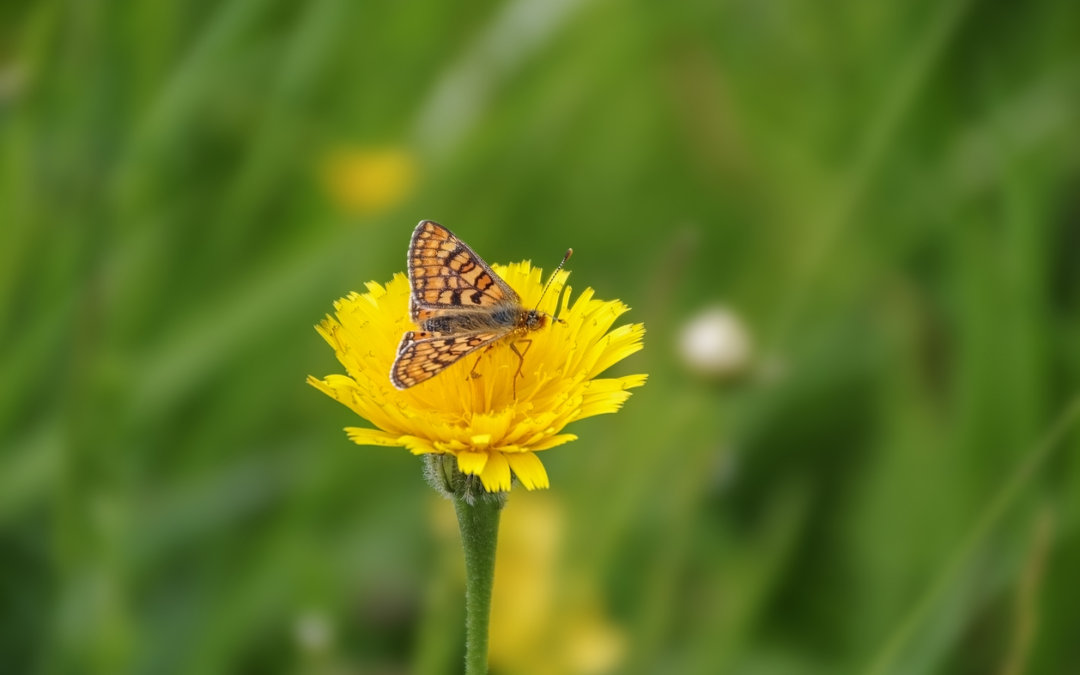
Flowering plants help make a Bee Friendly Lawn
Help save native bees by growing a bee friendly lawn. It’s as simple as understanding the benefits of natural growing weeds, like clovers and dandelions, to adding flowering plants to your lawn that attract bees and other pollinators.
This Earth Month, try regenerative gardening
It’s Earth Month. Would you like to do something good for your landscape, yourself and the planet? Try regenerative gardening. Regenerative gardening and farming practices focus on putting nutrients back into the soil. These practices build soil health. They...
Resolutions for your garden in the new year
It’s that time again when we make our resolutions for the new year. It’s probably a good bet that eating healthier and getting more exercise are at the top of your list. The good news is, gardening can help you achieve both of those goals, along with others like...
Celebrate Pollinator Week
Pollinators are critical to our food supply and natural resources. Pollinator Week is an annual celebration of these animals and insects. When we think of pollinators, we often think of bees. And yes, bees are the most important pollinator. But pollinators also...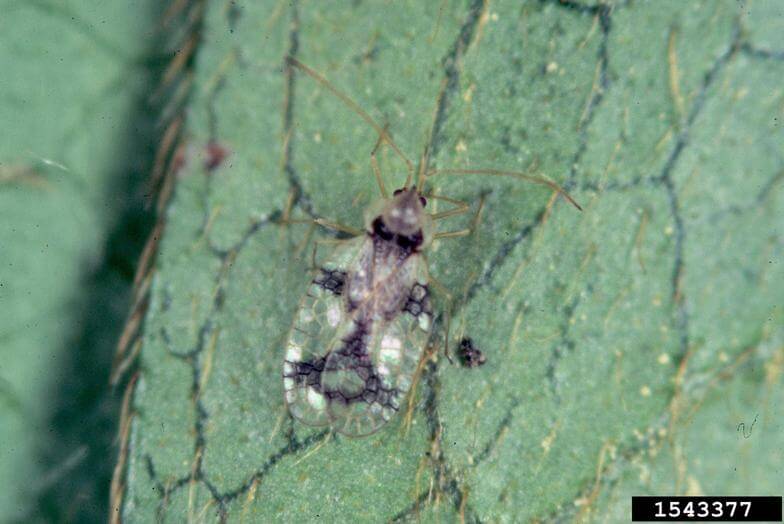
How to manage lace bugs: take action now
The weather in the Seattle area this spring has been warmer and drier than normal, creating favorable conditions for lace bugs. So our service techs are seeing lace bugs on shrubs in some of our clients’ landscapes, mainly on rhododendrons and azaleas. Here are tips...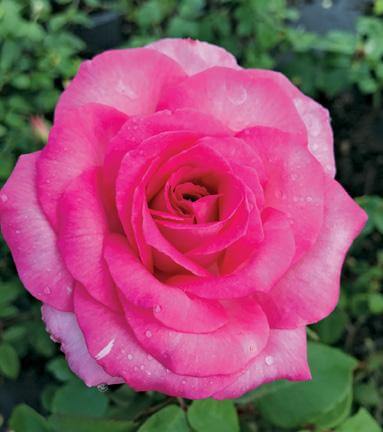
Best roses for the Pacific Northwest
Roses are popular shrubs in Pacific Northwest gardens, despite the challenges of growing them in our damp climate. If you would like to increase your success with roses, check out our blog posts on Tips for growing roses in western Washington and Choosing and growing...
Gardening books for winter reading
On these cold, wet winter days, it’s nice to curl up with a good book. If you’d like to dream about having a fabulous landscape and garden this year, you may want to choose one of these books for your next read. Pacific Northwest Month-by-Month...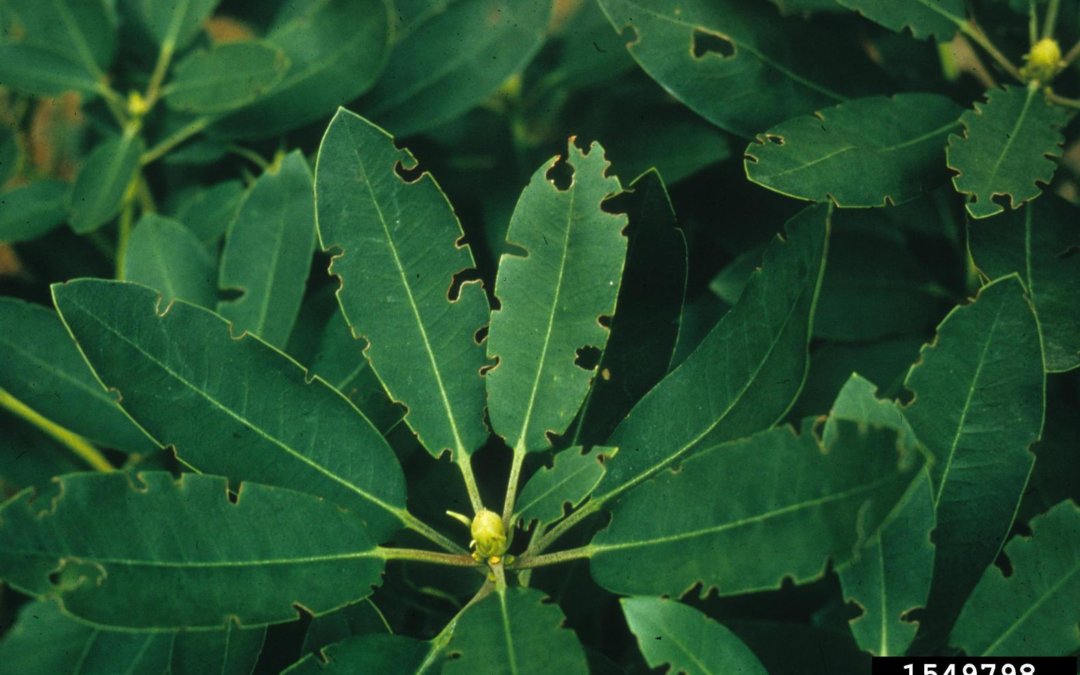
Root weevils: troublesome pests
Root weevils are one of the top pests that damage plants in the Pacific Northwest—and around the world. They are difficult to find because they are most active at night, and they are not easy to control. There are, however, a number of things you can do to prevent and...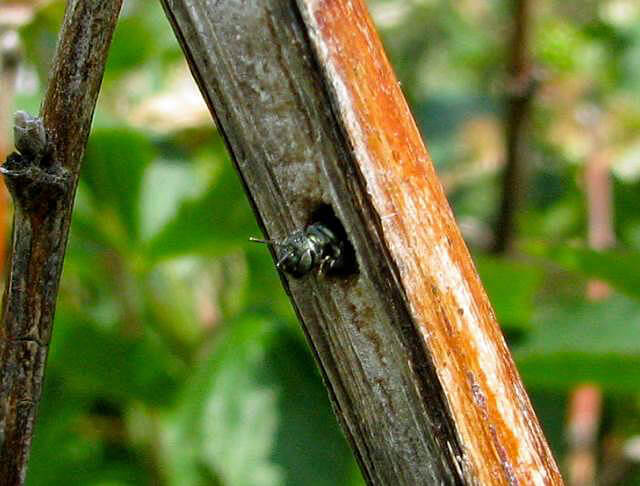
Pollinator Week: add bee nesting habitat
This week, June 22-28, is National Pollinator Week. Pollinators include bees, birds, butterflies, moths, wasps, bats, beetles and other insects. We love pollinators because they help flowers bloom and crops grow. Many people help pollinators by planting a variety of...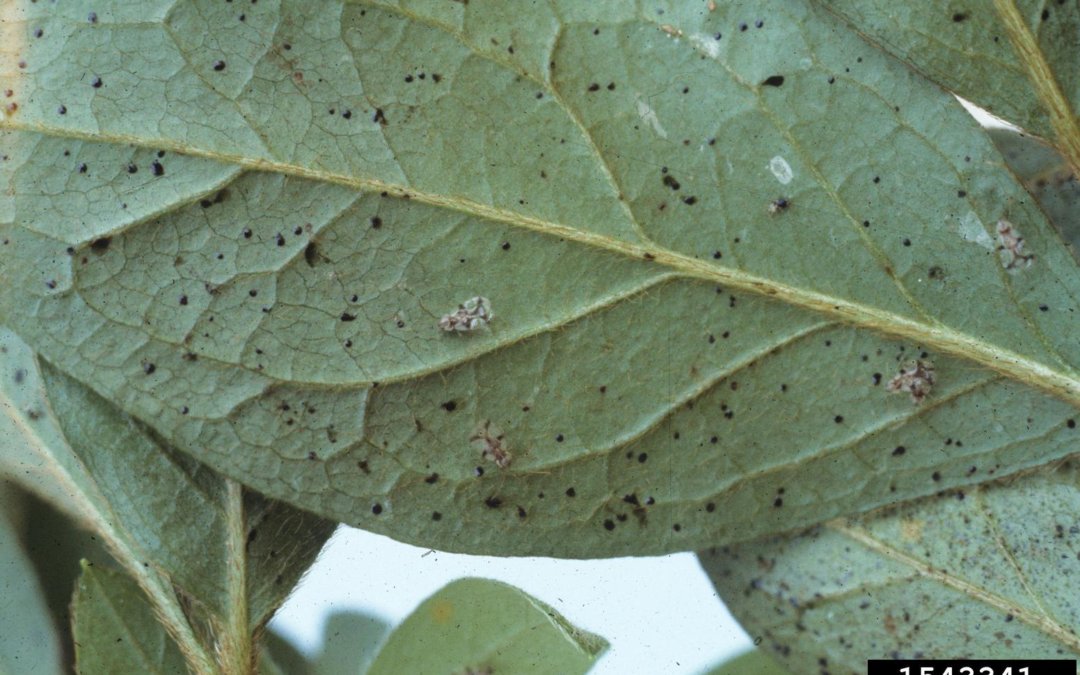
How to manage lace bugs
We are seeing lace bugs on shrubs in some of our clients’ landscapes. Usually the main difference between having a few lacebugs or having an epidemic? Giving your plants enough water. We mainly see lace bugs on rhododendrons and azaleas and occasionally on other...
Help the earth in your own yard to celebrate 50th Earth Day
[Ed. note: While our business is closed to reduce spread of the coronavirus, we are editing and reprinting some of our popular blog posts.] Tomorrow is the 50th anniversary of Earth Day. Now that we are staying at home, it is a good time to look at how you can help...