
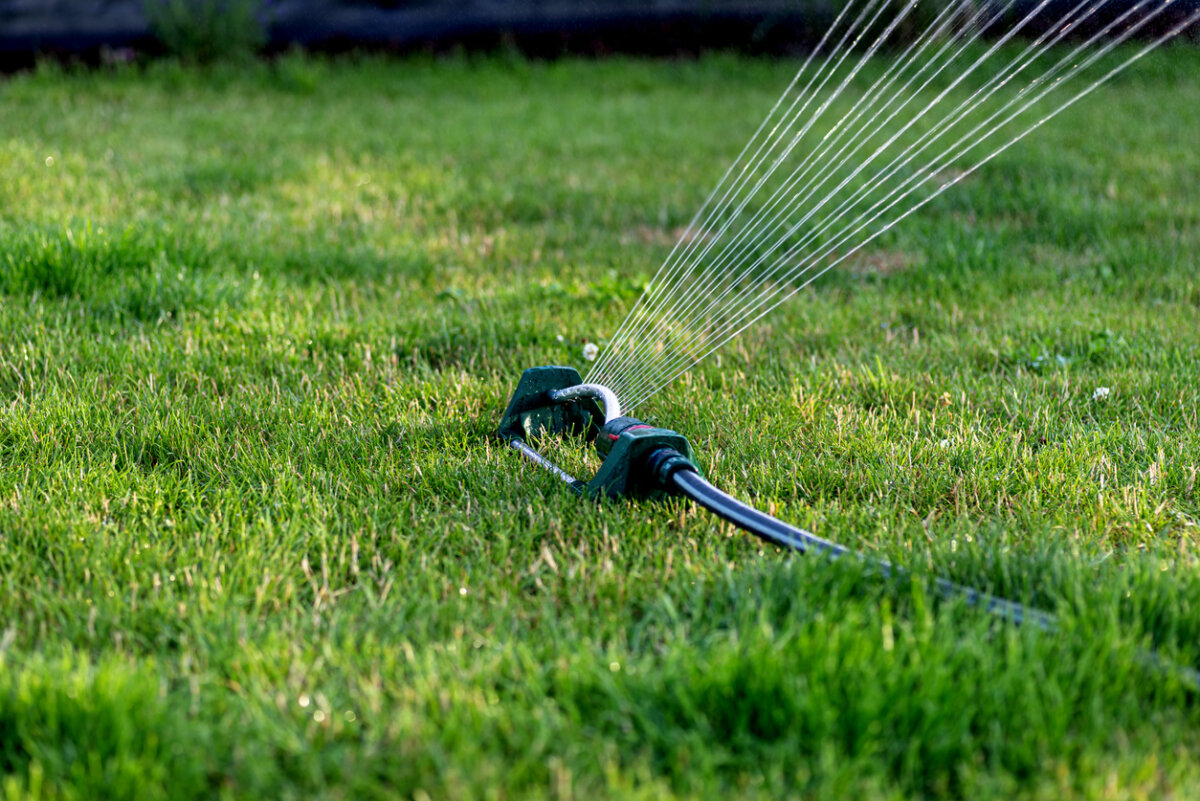
Summer watering is important to help your lawn stay healthy.
Temperatures are expected to stay in the 80s throughout the week, so don’t forget to give your lawn the water it needs to stay healthy!
Smart lawn watering tips
- How much water? Lawns needs about one inch of water per week, depending on your soil, site conditions and rainfall. Not sure how to measure one inch of water from your sprinkler? Check out our short demonstration video.
- When to water: Water deeply once or twice a week instead of giving it a little each day. This helps grass develop deeper, stronger roots, making it more drought-resistant. Shallow, frequent watering encourages short, weak roots.
- Best time: Water early in the morning before temperatures rise, so more moisture soaks into the soil rather than evaporating. Midday watering wastes most of the water.
- Seasonal routine: From May to October, keep watering slowly and deeply. If you allow your lawn to go dormant in the summer, it will thin out and be more prone to weeds, moss and insect pests once the rains return.
- Remember: Healthy lawns with deep roots actually use less water over time!
Natural lawn care services
We specialize in natural lawn care to keep your grass green, strong and drought-tolerant. Our services include:
- Regular visits to feed your lawn and soil
- Monitoring for insect pests and other issues
- Aeration and overseeding
- Lime application, corn gluten, weed management and moss control
Find out more about our natural lawn care program or contact us directly.
Learn more about watering
Want to water more efficiently, save money and keep your plants thriving? Explore our YouTube playlist, Watering Your Lawn and Garden, with nine easy-to-follow videos covering smart watering techniques, tools, timers, mulching and more.

We need someone to come out and look at our damaged lawn – don’t know where to begin after voles have damaged the lawn. We think we have driven or killed the voles but the lawn looks horrible.
So sorry for the delayed response! We will contact you soon about your lawn. Perhaps the voles were eating chafer beetles. The beetles are a growing problem in the area. Check out our blog posts about chafer beetles.