

Creating outdoor living spaces is a growing landscape design trend. People add comfortable furniture along with roofs to extend the season.
The top landscape design trends for 2026 reflect the important roles our home landscapes play in our lives. We use our yards as places to relax and recharge, to support our families and pets, and to help heal the planet. We are also integrating technology in planning and managing our landscapes.
Outdoor living as home extension
Creating outdoor living spaces is a growing trend. Homeowners are turning patios, porches and backyards into true extensions of their indoor living spaces. They are adding outdoor kitchens and comfortable, weather-resistant furniture, along with pergolas and roofs to add shade and structure. Fireplaces and fire pits extend the season, providing cozy spaces for year-round gatherings. According to Western DuPage Landscaping, outdoor gaming spaces are also on the rise.
Along with this trend, the experts at Monrovia see a greater focus on container gardening. The biggest increase is with gardeners 65 years old, said Katie Tamony, chief marketing officer and trend spotter for Monrovia, in a press release. Tamony sees this as part of a trend toward easy-to-maintain spaces that can also be outdoor sanctuaries for relaxing and recharging.
Wellness gardens
Mental health and wellbeing are now key considerations in garden design, according to Journal. Landscapes increasingly include restful places to meditate, along with water features for calming sounds and visuals. Aromatic shrubs such as rosemary, lavender, lilac, daphne and witch hazel add fragrance throughout the year. A variety of plantings, from evergreen shrubs to spring bulbs, summer perennials and winter berries, add color, texture, structure and visual interest in all seasons.
Journal reports that research published in the journal Sustainability found that “well-designed green spaces on university campuses significantly enhance user satisfaction and wellbeing, with respondents citing relaxation and social connection as primary benefits.” Designers are using these same principles in residential landscapes to create personal sanctuaries for relaxation, recreation and health.
Smart technology in the yard
Technology is shaping landscape management in 2026. Smart irrigation systems use weather sensors and soil moisture meters to save water and improve plant health. The systems automatically adjust based on the amount of rain and temperature. Other technology includes app-controlled landscape lighting and robotic lawn mowers.
Landscape designers can now use smart gardening tools and AI-powered planning software to create custom layouts that save water, improve plant health and reduce maintenance, according to Petrus. “Imagine a landscape designer who can analyze your soil’s moisture levels, understand your property’s microclimates, and predict plant performance before even putting a shovel in the ground.”
People are using a wide range of AI-driven garden apps.The apps are designed to help both beginning and experienced gardeners with plant identification, garden planning and plant care. Here are a few of the apps currently available.
- Plant ID apps such as PictureThis, PlantSnap, PlantNET and Plant ID offer quick answers in the field.
- Plant disease diagnosis apps such as Plantix, Agrio, Leaf Doctor, PlantSnap, iNaturalist and Nuru help gardeners make plant care decisions.
- Garden planning tools such as VegPlotter, Planter, Garden Planner and Smart Gardener take some of the guesswork out of planning. House&Garden compiled a list of garden design apps.
- Wildlife identification apps such as Merlin Bird ID (by Cornell Lab), iNaturalist and Picture Insects are fun and educational.
“While some gardeners remain hesitant to rely on digital tools, the benefits of these apps are becoming increasingly hard to ignore,” said Garden Design. “One reason is that unlike traditional reference books, these apps are frequently updated and enriched by community contributions, ensuring that the advice reflects the latest scientific research and real-world experiences.”
Embracing eco-friendly design
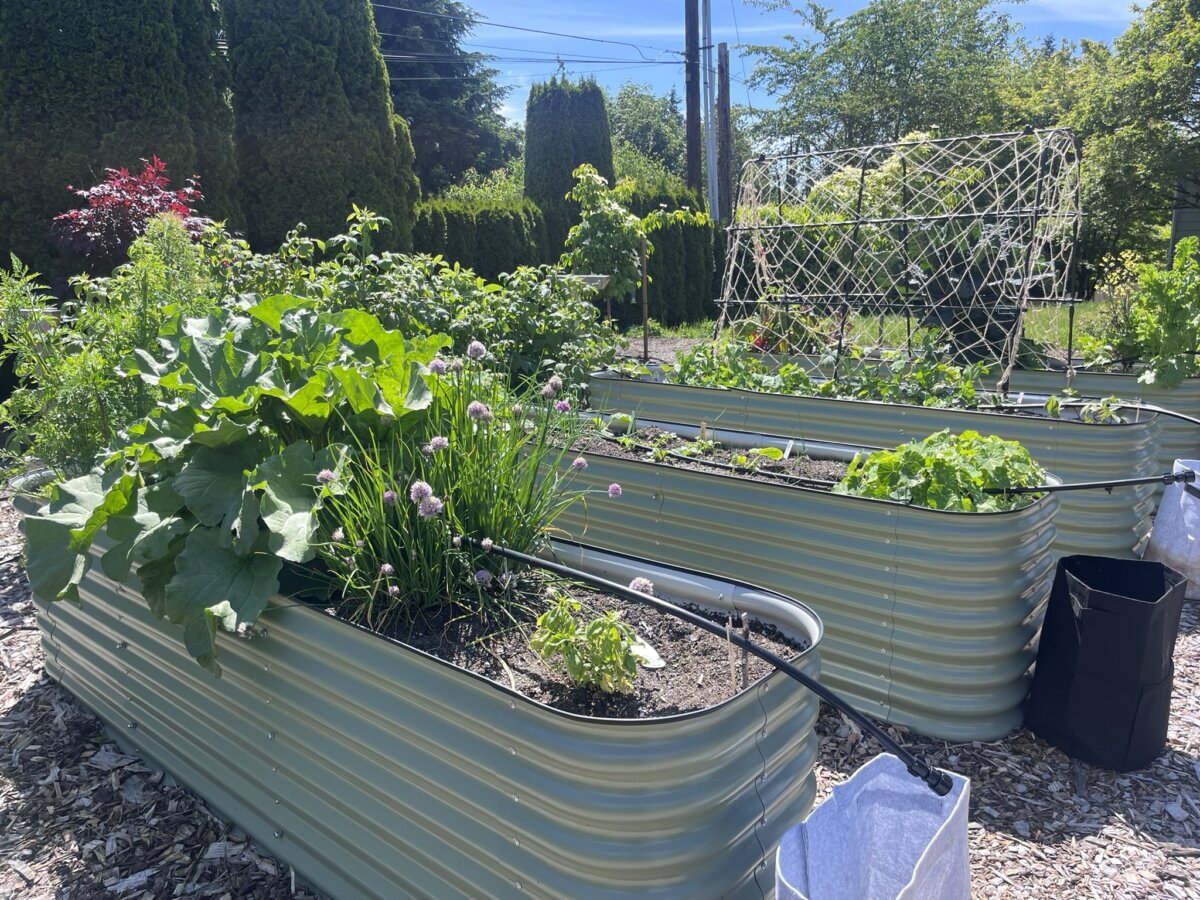
Another landscape design trend is adding edible landscapes, from vegetable gardens to fruit trees and berry bushes.
Sustainability is now a fundamental principle in landscape design, with more homeowners placing a priority on eco-friendly practices. Commonly used strategies include:
- Choosing native plants to support pollinators, birds and other beneficial insects. Studies show that “properties featuring native plants support dramatically higher populations of pollinators and native bird species,” according to Journal. Read our blog post, Top 25 plants for attracting native bees.
- Reducing the use of water, fertilizers and pesticides by choosing native plants and other species that are low-maintenance and drought-tolerant.
- Installing drip irrigation systems and smart sensors to save water. Read more about water-efficient irrigation.
- Incorporating rain gardens and permeable paving to reduce runoff.
- Creating gardens that are less tidy and provide environmental benefits, such as keeping fallen leaves, seed heads, plant stems, snags and brush piles to provide shelter for overwintering insects. Read our blog post, How to help birds and bugs in your garden this fall.
- Adding edible landscaping, such as fruit trees, berry bushes and vegetable gardens, to provide food, enrich the soil, save on grocery bills and add color, scents and texture to the landscape.
- Paying attention to light pollution and making changes such as using motion sensors and shielded, downward-facing fixtures. Read more at darksky.org.
- Reducing the lawn area and replacing it with native plants, ground covers, vegetable gardens, microclover lawns or other eco-friendly plantings. Read our blog post, A Bee Friendly Lawn may be smaller.
We can help improve your landscape
Would you like to add an outdoor living spaces or wellness garden, or reduce your landscape’s environmental impact? We specialize in sustainable landscape design. Our landscape designers and installation crews are ready to assist you. Contact us to get started on your new landscape.
