
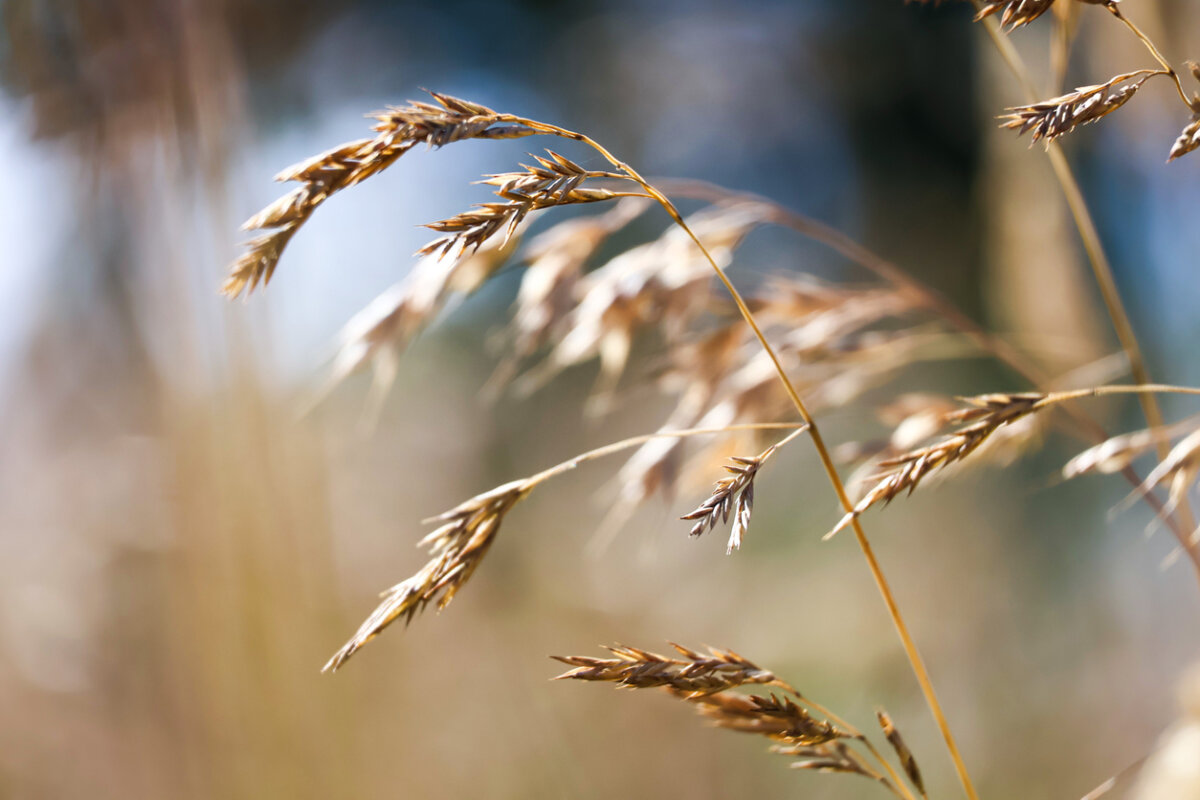
When doing garden cleanup this fall, leave some plant debris. Dried seed heads, hollow stems and faded grasses provide food for birds and homes for beneficial insects.
When tidying up your landscape this fall, consider which tasks will help next year’s garden, and which will hinder. Pollinators, birds and soil health will all benefit if you don’t try to create a pristine landscape. Save yourself some work by focusing your garden cleanup on tasks that can reduce potential problems.
Leave some plant debris
Don’t clean up all the plant debris in your yard. Hollow stems, dried seed pods and faded ornamental grasses provide homes for native mason bees and leafcutter bees, spiders, ladybugs and beetles.
Seed heads on grasses, coneflowers and other perennials also feed birds through fall and winter. The birds can, in turn, help manage pest insects in next year’s garden. Beneficial insects may also rely on fallen leaves, brush piles, logs or dead ground cover.
Rake leaves off your lawn into beds
Leaves, especially wet leaves, can quickly thin your lawn. Fallen leaves smother the grass, which can lead to fungal disease. Rake or blow them off regularly during peak leaf fall.
But don’t throw the leaves away. Rake them into your garden beds, where they make excellent mulch. Just keep them a few inches away from trunks and plant stems.
A University of Maryland study found that removing leaves reduced the spring emergence of caterpillars that become butterflies and moths by about 35-45%, and reduced spiders by about 50-67%. Another study found that leaf litter increased soil organic matter, fostered beneficial soil microorganisms and made foliar diseases less severe.
Throw away diseased leaves
Rake up and discard leaves from under your rose bushes and other disease-prone trees or shrubs. Removing leaves will help reduce fungal disease, such as black spot and powdery mildew, next year. Do not compost these leaves. Put them in yard waste bins for pickup.
Clean up weeds
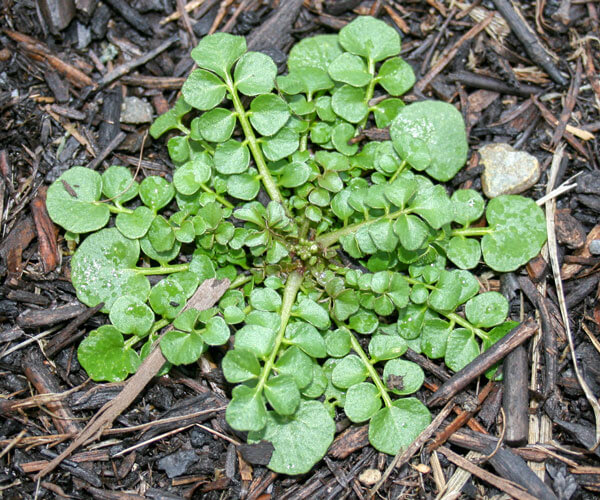
Bittercress, aptly known as shotweed because it can shoot hundreds of seeds several feet away, is a common winter weed in western Washington. Pull it now when it’s small and hasn’t set seed. Photo by T.W. Miller, WSU Extension.
In western Washington, several weed species sprout and grow during winter. If you pull them while they are small, they won’t have a chance to grow and set seed. This will reduce garden maintenance next year. Remove and dispose of larger weeds as well, especially those that have already flowered or formed seed heads.
Tidy your fruit trees and vegetable garden
Collect fallen fruit so pest insects can’t overwinter in it and cause problems next spring. Pull vegetable plants once they are no longer bearing. You can compost healthy plant material, but dispose of any material if you suspect diseases.
